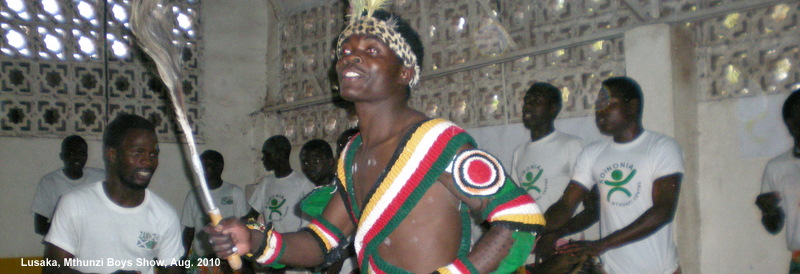
Questa è una città? Si, ci sono case, ma non c’è una piazza centrale, non un parco dove la gente possa incontrarsi, non un teatro, un municipio degno di questo nome” L’amico mozambicano, abituato ai tentativi di civetteria latina delle città nate nelle colonie portoghesi, forse esagera. Lusaka, la capitale della Zambia, non è poi cosi brutta. Tuttavia le sue osservazioni hanno del vero.
Come tante altre città africane, Lusaka è nata per soddisfare le esigenze dei pragmatici colonizzatori britannici, costruita intorno alla linea ferroviaria che serviva principalmente per esportare il rame. I criteri che ne hanno guidato la pianificazione della città sono fondamentalmente gli stessi dell’apartheid: tre strade parallele alla ferrovia per sistemarci alberghi e negozi, un quartiere per gli uffici governativi, un quartiere per i coloni inglesi e, allontanandosi dal centro, prima un quartiere indiano, poi una corona di quartieri africani, poi fattorie (di proprietà dei coloni) per rifornire la città di viveri. Unica concessione alla fantasia, o meglio ai sogni imperiali, il nome della strada più importante, Cairo Road. Nel 1931, quando Lusaka è stata fondata come capitale della Rhodesia del Nord, si poteva partire da Città del Capo, e, passando da Cairo Road, raggiungere la capitale egiziana sempre muovendosi in territori dominati dagli inglesi.
Il valore complessivo del rame che gli inglesi hanno esportato sulle rotaie che attraversano Lusaka fino al 1964, anno dell’indipendenza, senza un euro di compenso alla popolazione locale, fa girare la testa se si cerca di calcolarlo. Quando gli inglesi allentarono la stretta e la Zambia divenne formalmente indipendente, ci fu un periodo di grande prosperità. Gli Zambiani affermavano con orgoglio che Lusaka era la città africana con la più grande percentuale di crescita, e paragonavano Cairo Road al Miracle Mile di Los Angeles, perché in negozi elegantissimi vi si trovava di tutto, anche le ultimissime novità tecnologiche del tempo. Oggi, dopo anni disastrosi politicamente ed economicamente, la risalita del prezzo del rame e l’arrivo di compagnie e capitali cinesi, stanno ridando splendore a Lusaka, anche se la maggioranza della gente continua a vivere in grande povertà
Per conoscere una città pensata per il business bisogna andare al mercato. Fra cassette di pomodori e peperoni, sacchi di pesce secco, di fagioli e di riso. caschi di banane, montagne di cavoli – un panorama che cambia a seconda dei prodotti della stagione – si incontra tutta la Lusaka che non conta agli occhi del mondo, gli uomini che portano al mercato il prodotto dei loro orti, i facchini, le donne che col piccolo commercio mantengono la famiglia, le casalinghe che tutte le mattine vengono qui a cercare i prodotti più economici. Qui si incontrano anche i bambini di strada, che si muovono svelti in piccoli gruppi, innocenti e scaltri, pronti a fare sia un servizio a pagamento sia a non lasciarsi sfuggire l’occasione di un piccolo furto.
Oggi mi viene incontro Lavu, il più anziano di una banda di adolescenti. Mi mostra Ouma. “Lo vedi? Ha otto anni, la mamma si è messa con un altro uomo che lo ha cacciato di casa. Da ieri è con noi. Ma perché la gente è tanto cattiva?”. Domanda che farebbe tremare i polsi ad un teologo. Ouma ha ancora i segni delle lacrime sul viso sporco, e segni di percosse su tutto il corpo. “Lavu – gli dico – non è vero che tutta la gente è cattiva. Fra la gente ci siete voi, e voi avete accolto Ouma. Non si può essere al mondo senza aver a che fare con ingiustizia a violenza, ma noi siamo qui per aiutarci, per vincere con l’amore, facendo ciò che è bene. L’amore vince il male, e voi lo state dimostrando. Io vi prometto che vi aiuterò ad aiutare Ouma, voglio imitarvi, perché voi state facendo quello che farebbe Gesù”.
Mi guardano sbalorditi, Sorridono felici. Mi promettono che se hanno troppa fame o si ammalano cercheranno aiuto a Mthunzi, dove già decine di ex ragazzi di strada hanno trovato rifugio, e in pochi secondi scompaiono di nuovo, inghiottiti dalla fiumana di gente che si muove intorno a noi. Ancora una volta mi hanno confermato che sono loro il cuore vero di questa città.
“Is this a city? Yes, there are houses, but there is not a central piazza, not a park where people can meet, not a theater, not a town hall worthy of the name”. My Mozambican friend, used to the mediterranean look of the Portuguese colonies town, is perhaps exaggerated in his criticism. Lusaka, the capital of Zambia, is not so bad. However, his observations have some truth.
Like many other African cities, Lusaka was founded to meet the needs of the pragmatic British colonizers, and was built around the railway line that was primarily used to export copper. The criteria that have guided the planning are basically the same of the South African apartheid: three roads parallel to the railway where there are hotels and shops, them a cluster of government offices, a posh residential area for British settlers, and, as you move away from the center, an Indian residential area, then a belt of African neighborhoods, further away the farms (owned by the settlers) to supply the city with provisions. The only concession to the imagination, or rather to the imperial dream of the founders, the name of the main street: Cairo Road. In 1931, when Lusaka was founded as the capital of Northern Rhodesia, you could start off by road from Cape Town and reach the Egyptian capital always driving in territory dominated by the British.
The total value of copper that from 1931 until 1964, the year of independence, rhe British have exported through the railway that crosses Lusaka makes your head spin if you try to calculate it. Obviusly without even a compensation for the locals, When the British loosened their grip and Zambia became formally independent, there was a period of great prosperity. Zambians were proudly saying that Lusaka was the fastest growing African city, and likened Cairo Road to Miracle Mile in Los Angeles, because it was lined with elegant shops were you could buy anything, including the latest technological gadgets of the time. Then the copper price collaped in 1973 and today, after years of economic and politica disaster, the resurgense in copper prices and the arrival of Chinese companies and capital, are restoring the splendor of Lusaka, and ultramodern shopping malls are springing up everywhere. Although the majority of people continue to live in destitution.
To understand a town designed for business you should go to the market. Among boxes of tomatoes and sweet peppers, bags of dried fish, beans and rice, bunches of bananas, piles of cabbage – a landscape that changes depending on the products of the season – you meet all the Lusaka that does not count to the eyes of the world: Men who bring here the produce of the small farms, the porters, women who ran kiosk to keep the family, housewives who come here every morning to look for cheaper products. Here you can also meet street children, moving in small fast moving groups, innocent and shrewd, ready to render a paid service as well as alert for any chance to steal food or money.
Today I meet Lavu, the eldest of a gang of teenagers. He shows me Ouma. “You see? He is only eight years old, his mother has taken up with another man who chased him. As of yesterday, he is with us. But why are people so bad?”. Question that would shake the wrists to a theologian. Ouma still has tear marks on his dirty face, and signs of beatings all over his body. “Lavu – I say – it is not true that all people are bad. You are “people”, and you have accepted Ouma. You can not be in the world without having to deal with injustice and violence, but we are here in this world to help each other with love, doing what is right. Love can overcome evil, and you are demonstrating this simple truth. I promise you I will help you to help Ouma. I want to imitate you, because you are doing what Jesus would do “.
They look at me, bewildered. Then they break into an happy smile. I promise that if they get sick or too hungry they can come to seek help at Mthunzi, where already dozens of former street children have found refuge, and they disappear again in a few seconds, swallowed up by the flood of people moving around us. Once more I am confirmed that these street children represent the heart of this town.